Baroque Dining Tables Wholesale: opulent tables for the dining room, banquet and contract market
The baroque dining table is the centrepiece of any festive table setting. Solid, often carved legs, richly moulded aprons, fine wooden surfaces or a cool marble top make it the representative focal point of the room where guests gather. At Barockgroßhandel you will find baroque dining tables in their full range: from the round table for an intimate group and the long rectangular banquet table to extendable models, all as high-quality reproductions of historical originals in Casa Padrino quality.
As a specialised wholesaler we supply resellers, hoteliers, restaurateurs, interior designers and private enthusiasts. Because our baroque dining tables are available in series and built for lasting use, they suit a single showpiece table in the living room just as well as restaurants, banquet halls and hotel dining rooms. This page walks you through table shapes, dimensions, materials, contract use, pairing with baroque chairs and care, and links directly into the matching shop categories.

What defines a baroque dining table
The baroque dining table emerged in an era when the dining table expressed rank and hospitality. It is characterised by sturdy, turned or carved legs, often in baluster form or as sweeping cabriole legs, together with richly profiled aprons, gilded or coloured decorative mouldings and a solid, carefully veneered or marble-topped surface. Acanthus leaves, shells and volutes recur as ornaments and bind legs, apron and top into a coherent design language.
Our reproductions take up these features precisely and translate them into robust, everyday dining tables. The carved detailing remains visible, yet the construction is built for daily use and the load of tableware, glasses and guests. In this way you gain the opulence of the historical model without the fragility and the prices of genuine antiques.
Shapes and table sizes: round, oval, rectangular and extendable
Baroque dining tables come in several basic shapes. The round table creates a sociable, equal circle and suits smaller dining rooms; the oval table combines that sociability with more space along the long side. The classic rectangular table is the representative format for large rooms, long menus and banquets, offering space at the head ends for armchairs.
For flexible use we offer extendable baroque dining tables that can be lengthened with leaves or a pull-out frame. In this way the table grows from an everyday format for the family into a festive table for many guests and shrinks back to its base size afterwards. This adaptability is a real advantage precisely in venues with varying guest numbers and in private households with occasional celebrations.

Dimensions and seating: planning the right table
For all its splendour the baroque dining table remains a functional piece that has to match the room and the number of guests. As a rule of thumb, allow about 60 to 70 cm of table width and around 40 cm of depth per place setting. A rectangular table of about 160 to 180 cm comfortably seats six people, from around 200 to 240 cm it seats eight to ten, and longer banquet formats accordingly more. Round tables seat four at about 110 to 120 cm in diameter and six from 130 to 150 cm.
The usual table height is around 74 to 78 cm and matches baroque chairs with a seat height of about 47 to 52 cm. Ensure enough legroom between the seat and the apron, usually 28 to 32 cm is comfortable, and allow around 90 to 100 cm of circulation space around the table to pull the chairs back. You will find the exact dimensions of each model on the individual product in the shop, which makes precise planning of rooms and seating arrangements easier.
Materials: solid wood, veneer and marble tops
Behind every baroque dining table stands genuine craftsmanship. Frame and legs are made of solid hardwood such as mahogany, beech or lime, which is sawn, turned and carved by hand. Depending on the model, the tabletop is made from solid wood or laid with fine veneers whose grain and inlays give the surface depth. Several coats of lacquer or gilding protect the wood and create the characteristic, often high-gloss or gold-leafed surface.
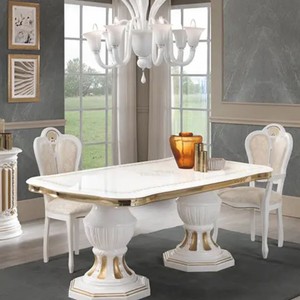
A particularly representative variant is the baroque dining table with a marble top. Marble looks cool and refined and is resistant to heat and moisture, which makes it ideal for heavily used tables and the contract market. The top rests on a carved, often gilded wooden base, so that the hardness of the stone and the warmth of the wood form an appealing contrast. The colour range runs from classic white and cream through warm brown to deep black.
Carved table legs, aprons and ornaments
The true signature of the baroque shows in the base. Sturdy legs are turned as balusters or shaped as sweeping cabriole legs that end in a carved foot. The apron, the surrounding frame beneath the top, carries mouldings, fluting or sculptural carvings and joins the legs into a stable yet decorative structure.
Through crestings, volutes and gilded mouldings the ornament continues, the same one that already characterises baroque chairs and consoles. This continuous design language makes it easy to bring the dining table, chairs and other furniture of a room together stylistically. It is precisely on the legs, apron and edges that the quality of the carving shows in the cleanly worked detail.

Combining a baroque dining table with baroque chairs as a set
A dining table only comes into its own with the right seating. For a coherent look we recommend combining the baroque dining table with a matching set of baroque chairs in the same style and wood tone. The classic arrangement has proven itself: slender dining chairs along the long sides, representative armchairs at the head ends of the table.
Those who prefer not to assemble piece by piece can choose a complete dining room set of table and chairs that is already coordinated. Because our baroque furniture is produced in series, we can reliably supply matching models and colour tones, which is decisive for larger tables and repeat orders. You will find matching chairs and sets via the links in the section below.

Baroque dining tables for hotels, restaurants and banquets
In the contract market baroque dining tables are a powerful tool of staging. In hospitality they shape breakfast rooms, restaurants and suites, in fine dining they give private dining rooms and chambres séparées an unmistakable frame, and in banqueting long tables carry the festive table culture. Because our models are robustly built and available in series, they are ideal for multiple fit-outs where a uniform, high-quality appearance across many places is what counts.
For intensive contract use, low-maintenance surfaces matter: marble tops and well-sealed wooden surfaces withstand daily wear. Extendable tables allow the same room to be seated for small groups or large parties depending on the occasion. From a single showpiece table in the entrance to the complete fit-out of a restaurant, we tailor models, formats and delivery times to your project.
Care of wood and marble
Baroque dining tables stay beautiful for a long time with little effort. Clean lacquered and veneered wooden surfaces with a soft, dry or slightly damp cloth, without harsh or abrasive cleaners that would attack the lacquer. Gold leaf and gilded mouldings are sensitive to friction, so gentle dusting along the carvings is enough. Coasters and table runners protect the top from heat, moisture and scratches.
Wipe marble tops with a damp cloth and a pH-neutral cleaner; acidic agents, lemon, wine or vinegar should not be left to act, as they can dull the stone. Occasional sealing protects marble from stains. On all tables, avoid permanent, direct sunlight and high humidity so that colours, wood and glue remain stable, and occasionally retighten the joints on heavily used tables.
Range and matching categories
From this topic page you reach the matching shop areas directly. Browse the entire selection of dining tables or choose a complete set from the dining room sets. You will find the matching seating among the chairs. Complementary sideboards and display furniture for the dining room are offered by the consoles.
The pillar page baroque furniture gives an overview of all furniture categories in the baroque style. You reach further topic worlds via the topics hub.

Matching pieces from our range

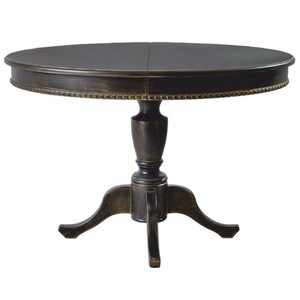
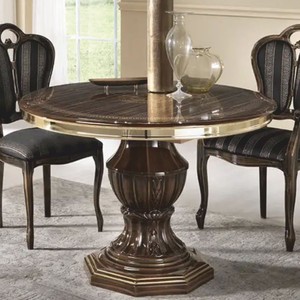
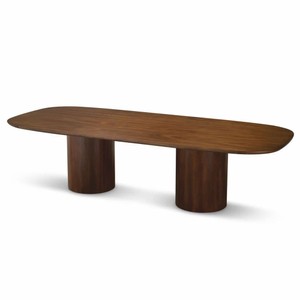
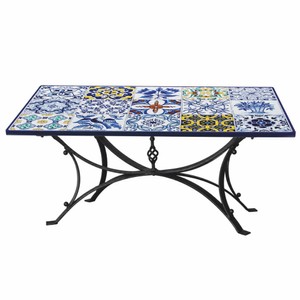

Frequently asked questions about baroque dining tables
What defines a baroque dining table?
A baroque dining table has sturdy, turned or carved legs, richly profiled aprons and a solid top that is veneered or fitted with marble. Typical ornaments are acanthus leaves, shells and volutes, along with gilded or coloured mouldings. At Barockgroßhandel you receive high-quality, newly made reproductions of these historical originals.
For how many people should a baroque dining table be planned?
Allow about 60 to 70 cm of table width per place setting. A rectangular table of 160 to 180 cm seats six people, from 200 to 240 cm eight to ten. Round tables seat four at 110 to 120 cm in diameter and six from 130 to 150 cm. For banquets and large parties, extendable or particularly long models are suitable.
Are there extendable baroque dining tables?
Yes. We offer extendable models that can be lengthened with leaves or a pull-out frame. In this way the table grows from an everyday format into a festive table and shrinks back again. This is especially practical for private households with occasional celebrations and for venues with varying guest numbers.
What materials are baroque dining tables made of?
Frame and legs are made of solid hardwood such as mahogany, beech or lime. The top is made from solid wood, laid with fine veneers or fitted with a marble slab. Marble is resistant to heat and moisture and is therefore particularly suited to heavily used tables and the contract market.
What table height do baroque dining tables have?
The usual table height is around 74 to 78 cm and matches baroque chairs with a seat height of about 47 to 52 cm. Ensure sufficient legroom between the seat and the apron, usually 28 to 32 cm is comfortable. You will find the exact dimensions of each model on the product in the shop.
How do I combine a dining table and baroque chairs?
The most coherent result comes from a matching set of baroque chairs in the same style and wood tone as the table. A proven arrangement uses slender dining chairs along the long sides and armchairs at the head ends. Alternatively, choose a complete dining room set of table and chairs that is already coordinated.
Are baroque dining tables suitable for restaurants and hotels?
Especially so. Our reproductions are robustly built and made for intensive contract use. In breakfast rooms, restaurants, private dining rooms and banquet halls they create a high-quality atmosphere. For multiple fit-outs we supply uniform models in series and match formats and delivery times to the project.
How do I care for a marble top correctly?
Wipe marble with a damp cloth and a pH-neutral cleaner. Do not let acidic agents, lemon, wine or vinegar act on it, as they dull the stone. Occasional sealing protects it from stains. Coasters and table runners protect the top from moisture and scratches in everyday use.
How do I clean the wood and gold surfaces?
Clean lacquered and veneered wooden surfaces with a soft, dry or slightly damp cloth, without harsh cleaners. Only dust gold leaf and gilded mouldings gently along the carvings, as they are sensitive to friction. Avoid permanent sunlight and high humidity so that wood, colour and glue stay stable.
Do you also sell baroque dining tables to private customers?
Yes. As Barockgroßhandel we are geared towards resellers, hospitality, gastronomy and contract furnishers, but we also supply private enthusiasts. For larger quantities and projects we are happy to prepare an individual quotation for you.