Baroque rugs: ornamental patterns in wool and viscose for elegant rooms
A baroque rug lays the foundation for a period interior. It pulls sofa, armchairs and coffee table together into one group and brings ornament down to floor level. Scrolling foliage, medallions and borders echo the forms of baroque furniture, while wool and viscose add depth and sheen.
Barockgrosshandel supplies baroque style rugs by Casa Padrino to retailers, hotels, interior designers and private customers. The range includes rectangular wool rugs, viscose rugs with a vintage character, hand-woven designer rugs with a crown motif and round designs. Many models are available in several sizes. Prices range from about €3,000 to €7,700. Here you will find advice on patterns, materials, choosing the right size and care.
Patterns and characteristics of baroque rugs
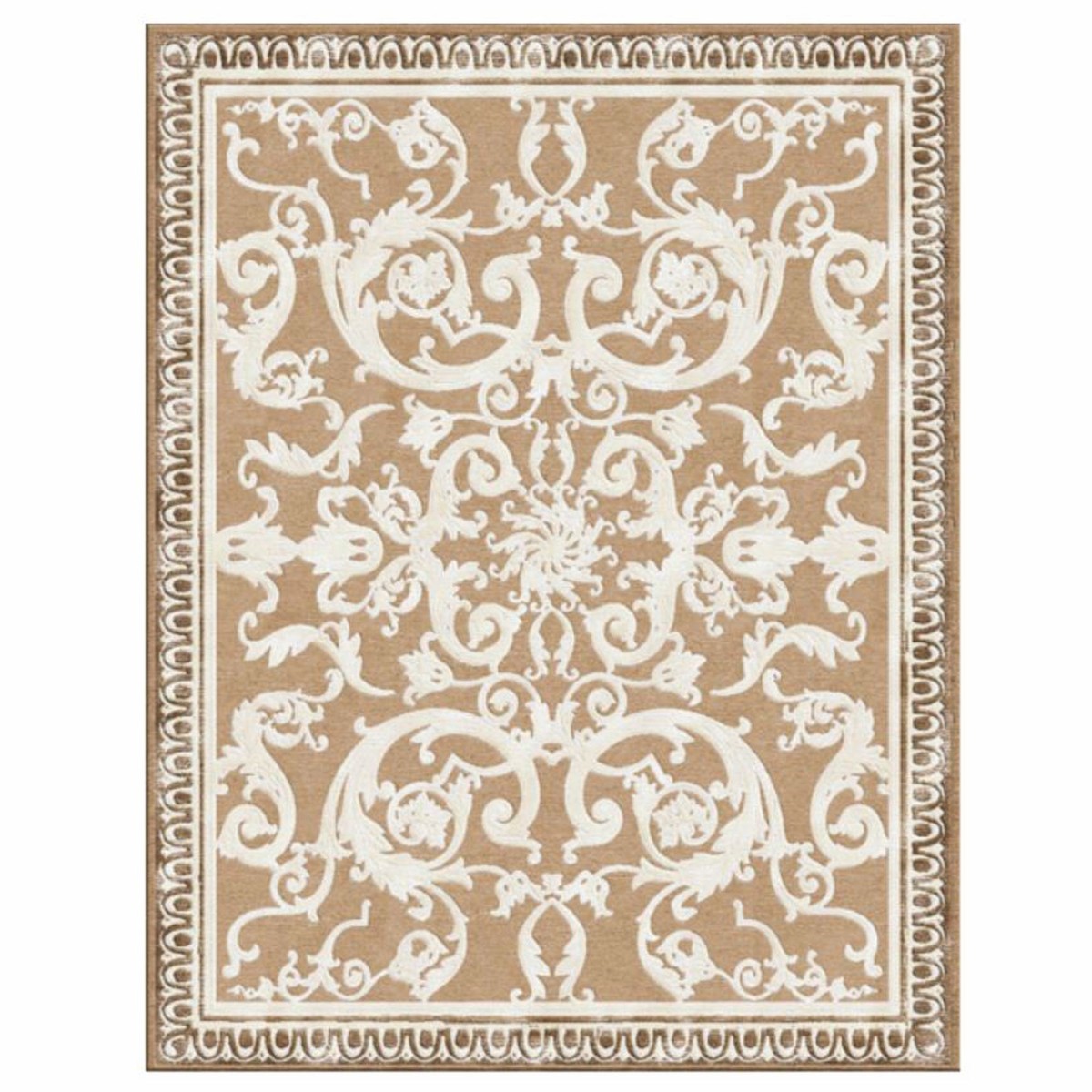
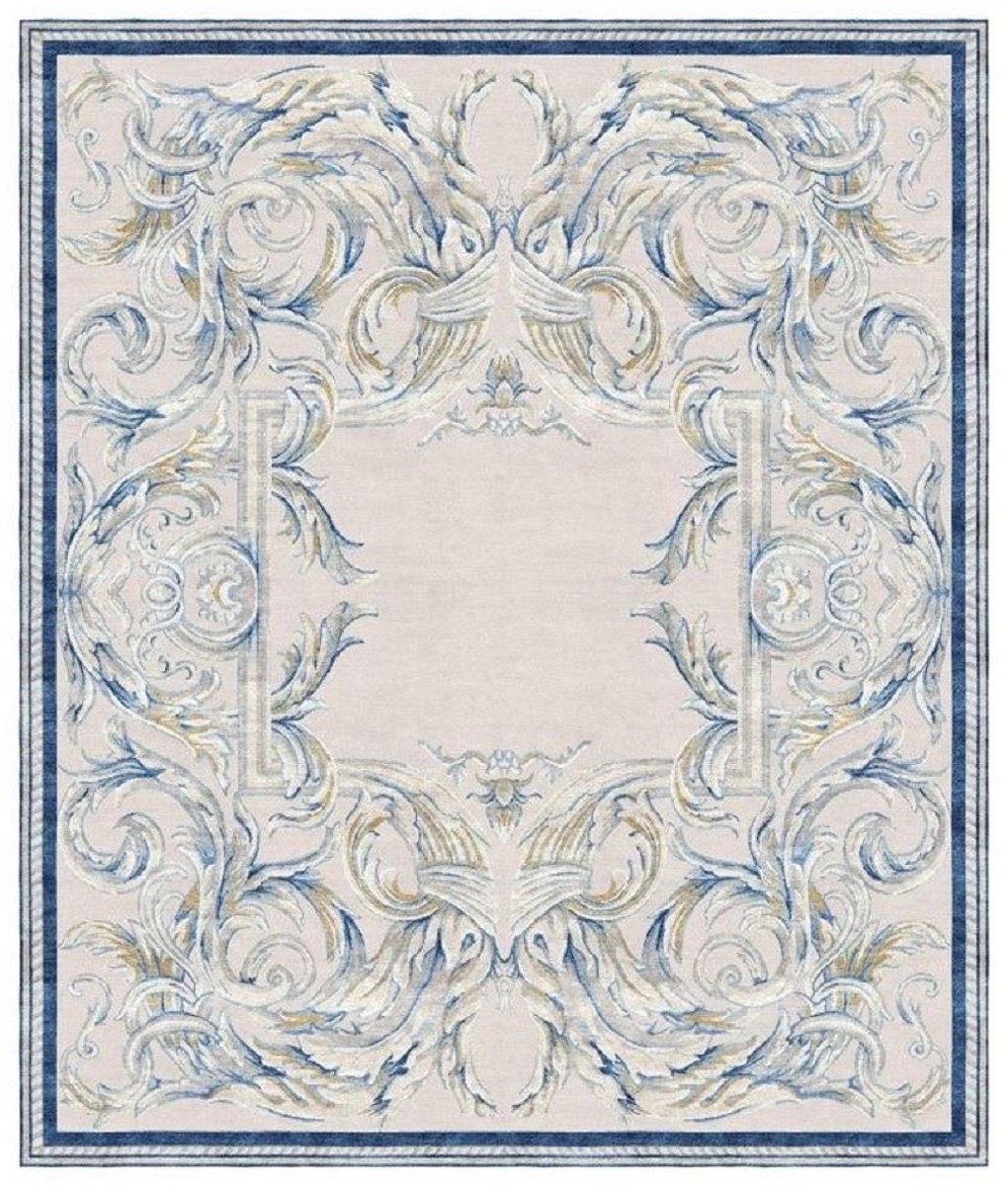
A baroque style rug is almost always symmetrical. A medallion or large scrolling ornament sits in the centre, surrounded by mirrored acanthus leaves, scrolls and flowers. A wide border frames the field on the outside. This creates the same order that defines the stucco ceilings and parquet patterns of baroque halls.
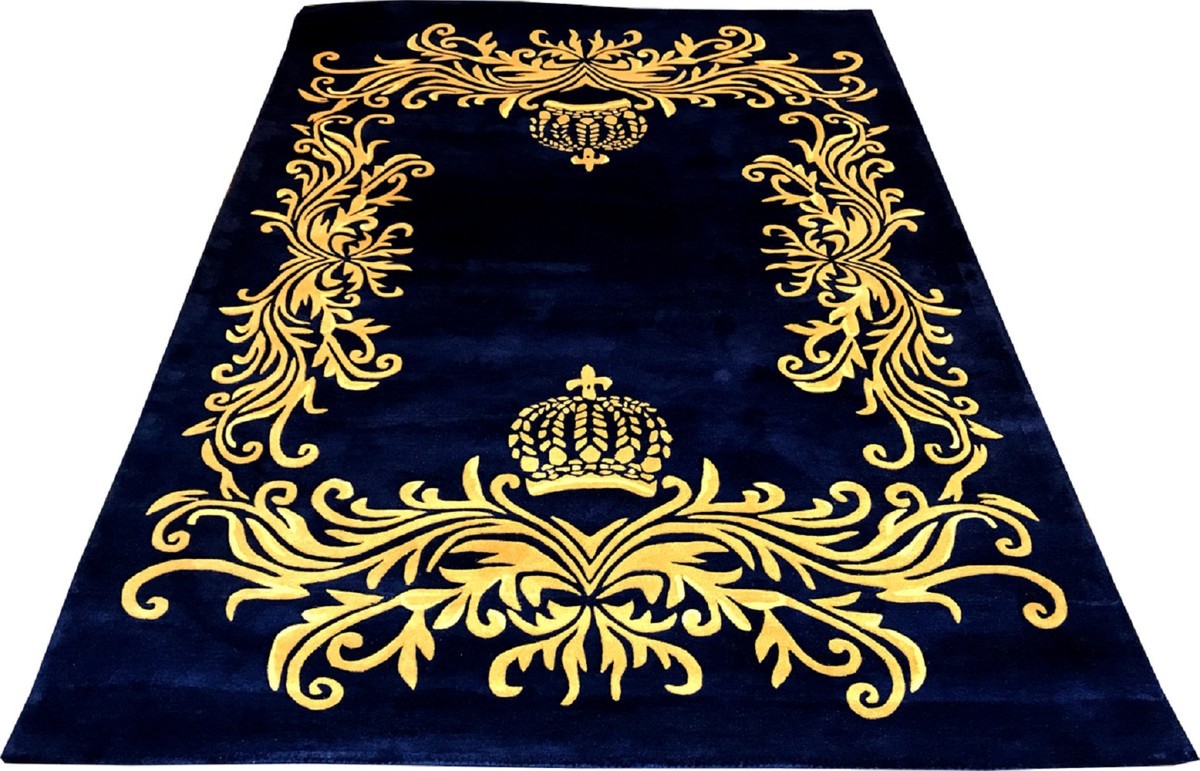
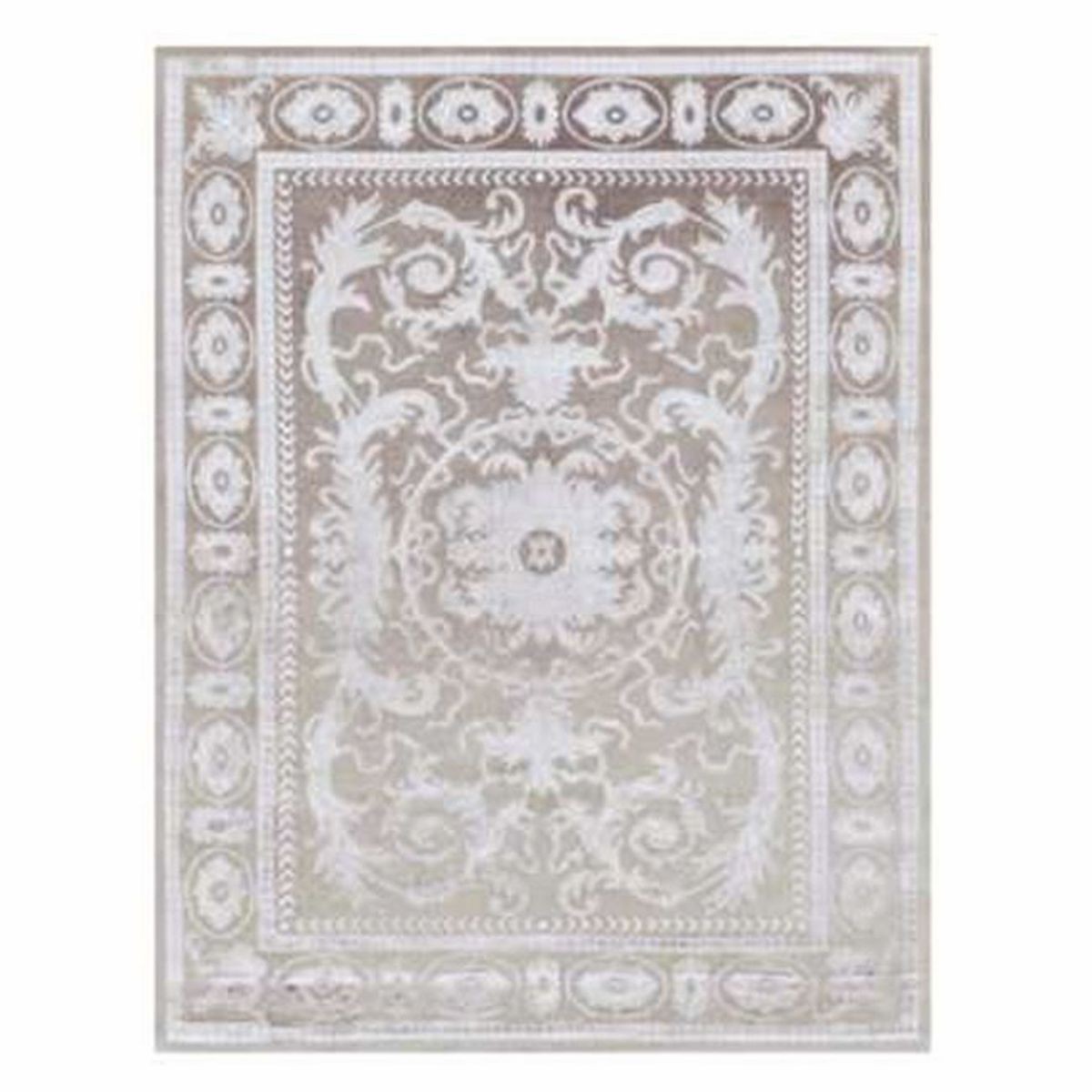
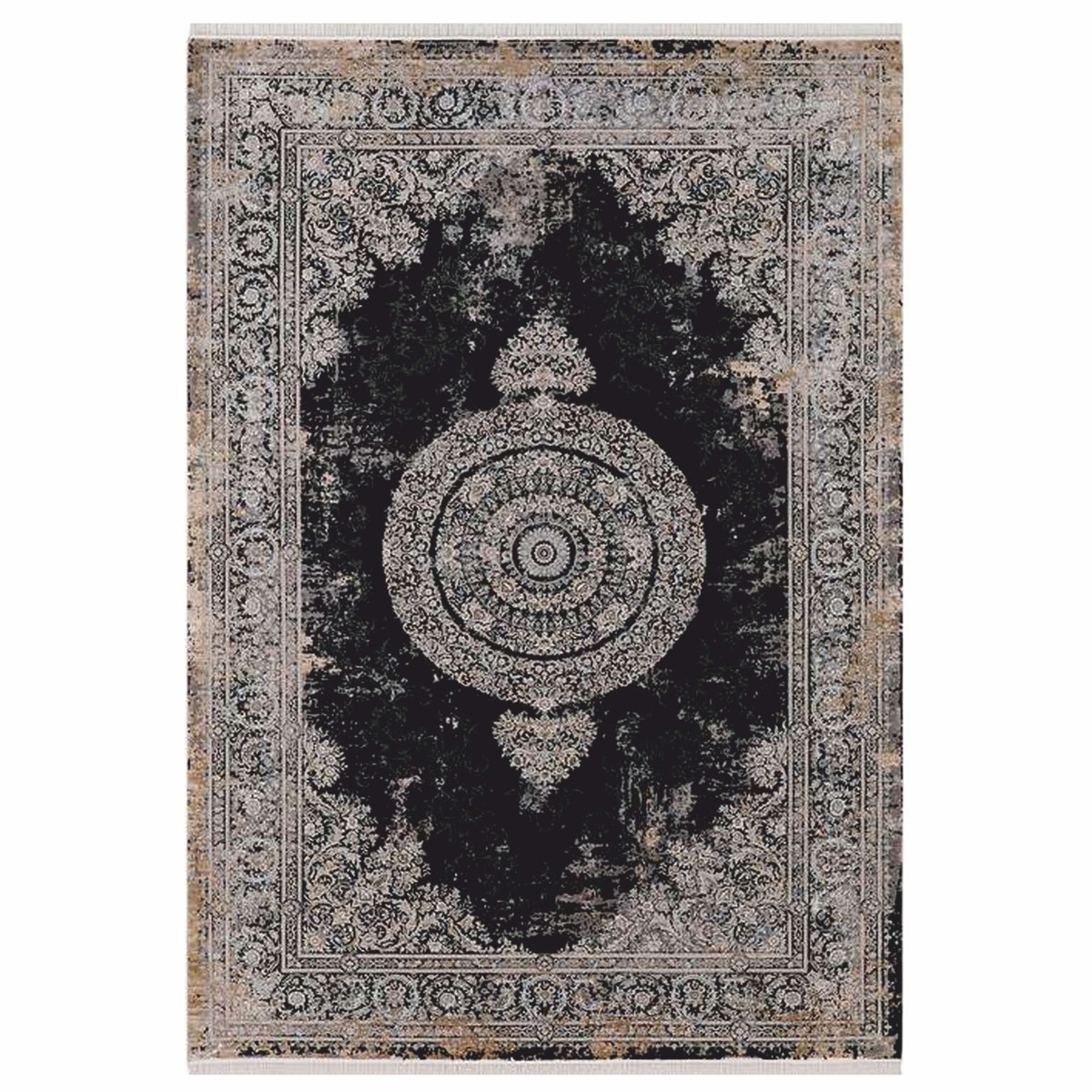
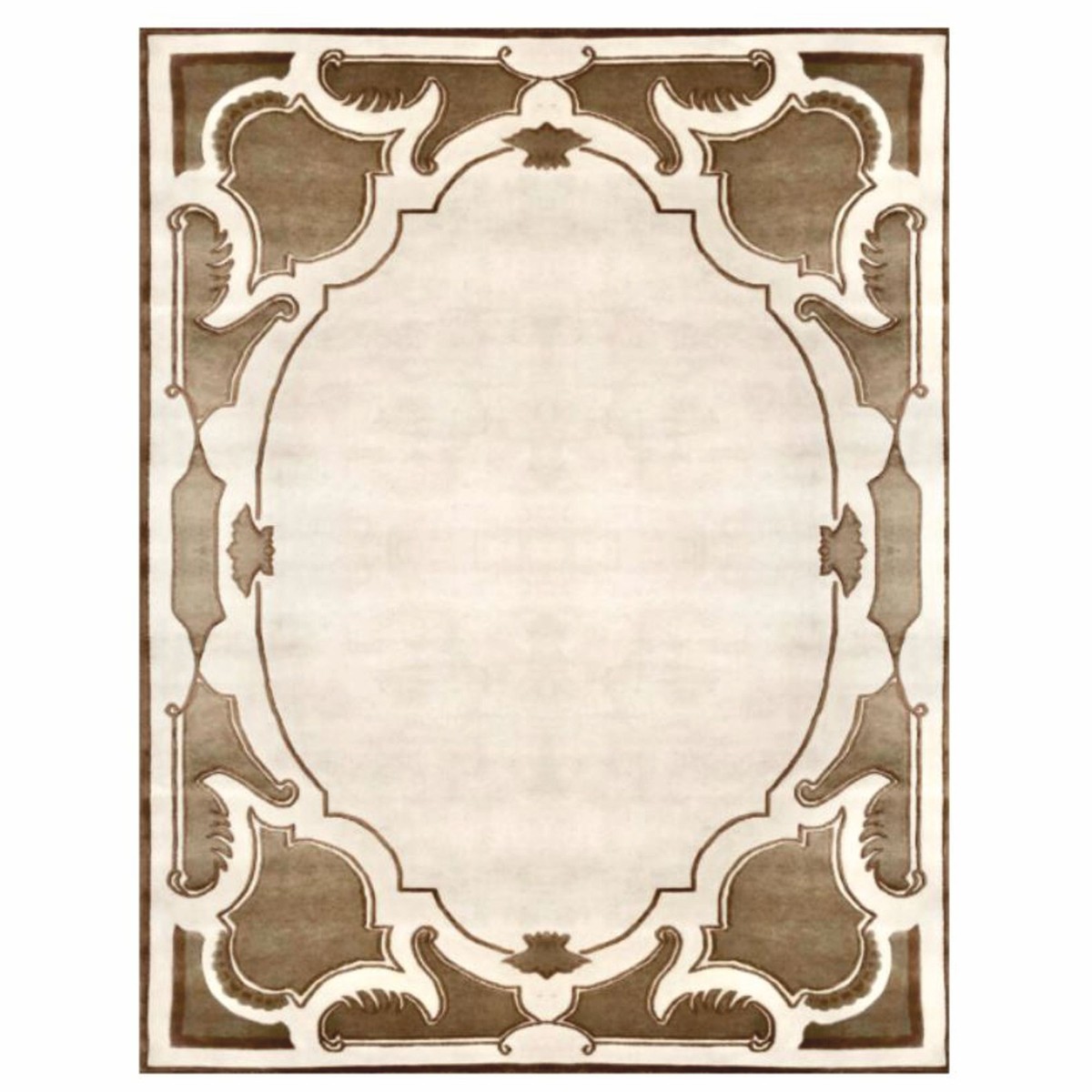
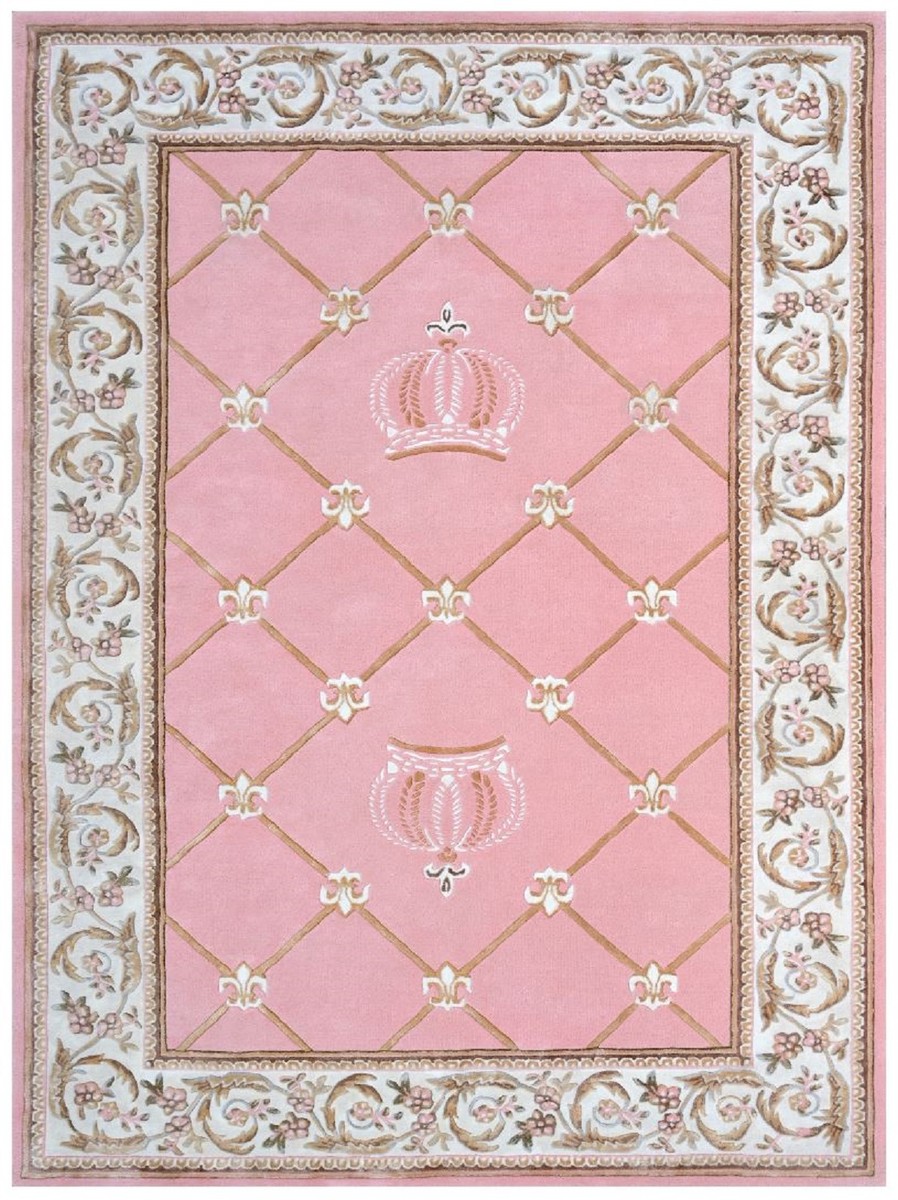
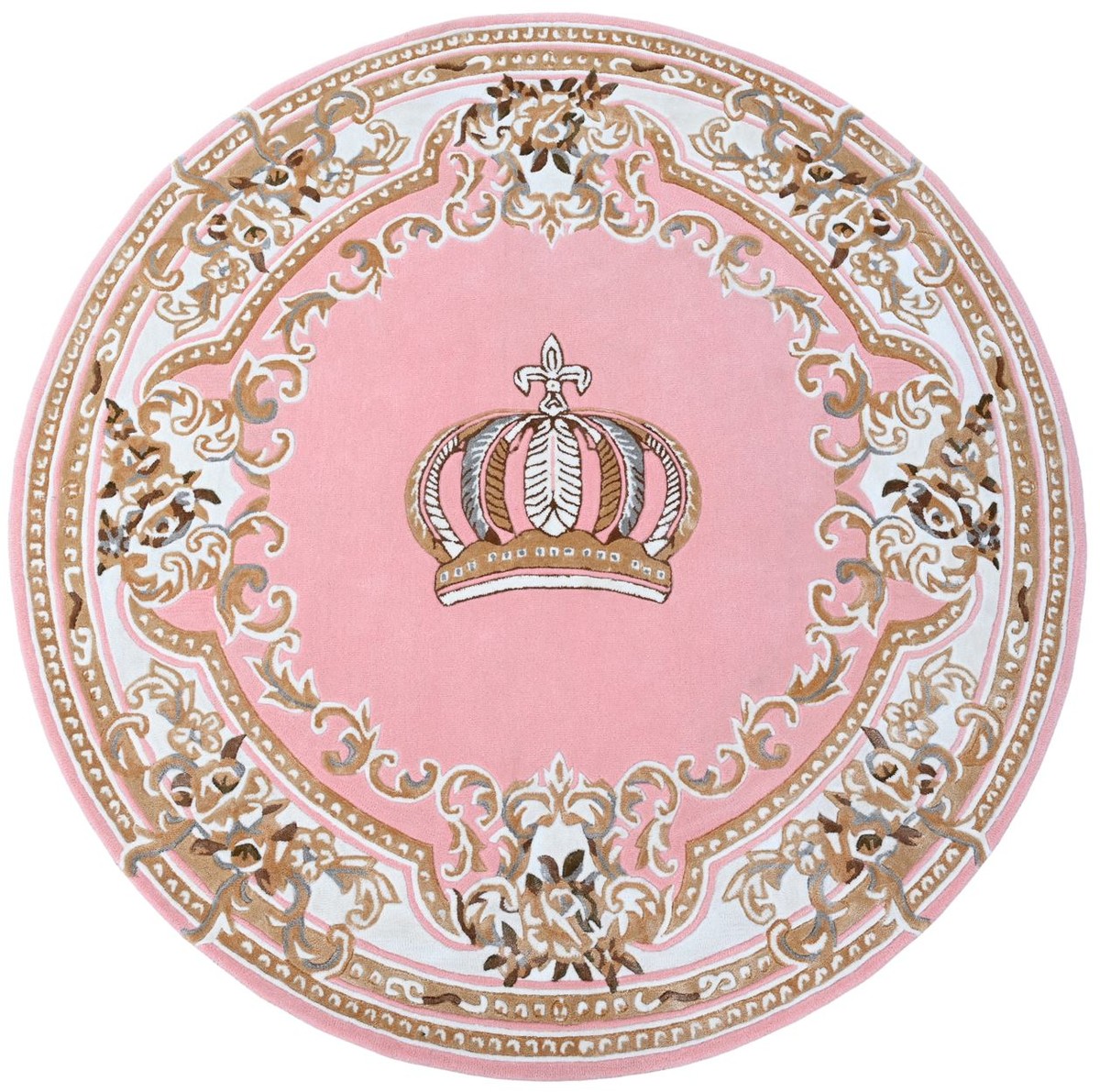
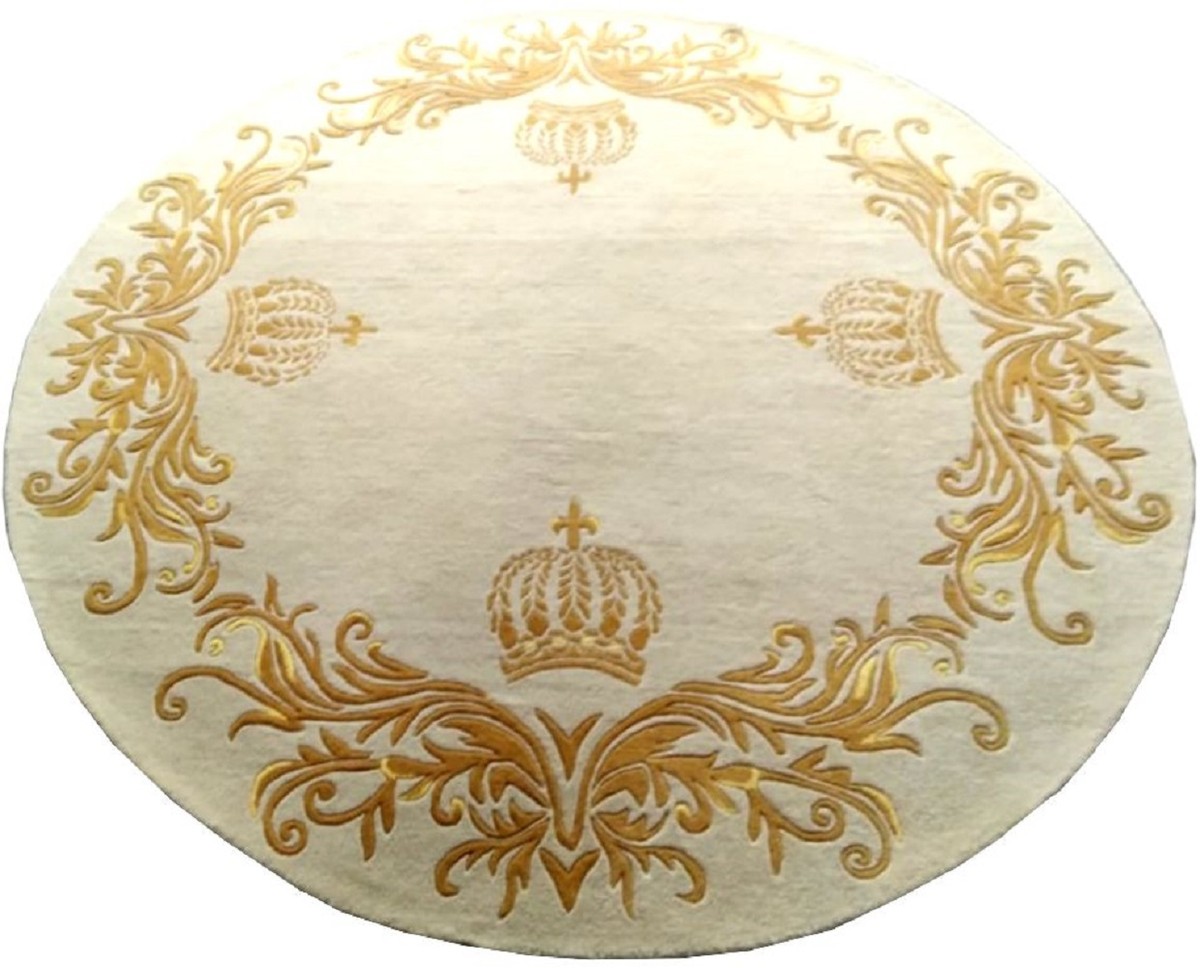
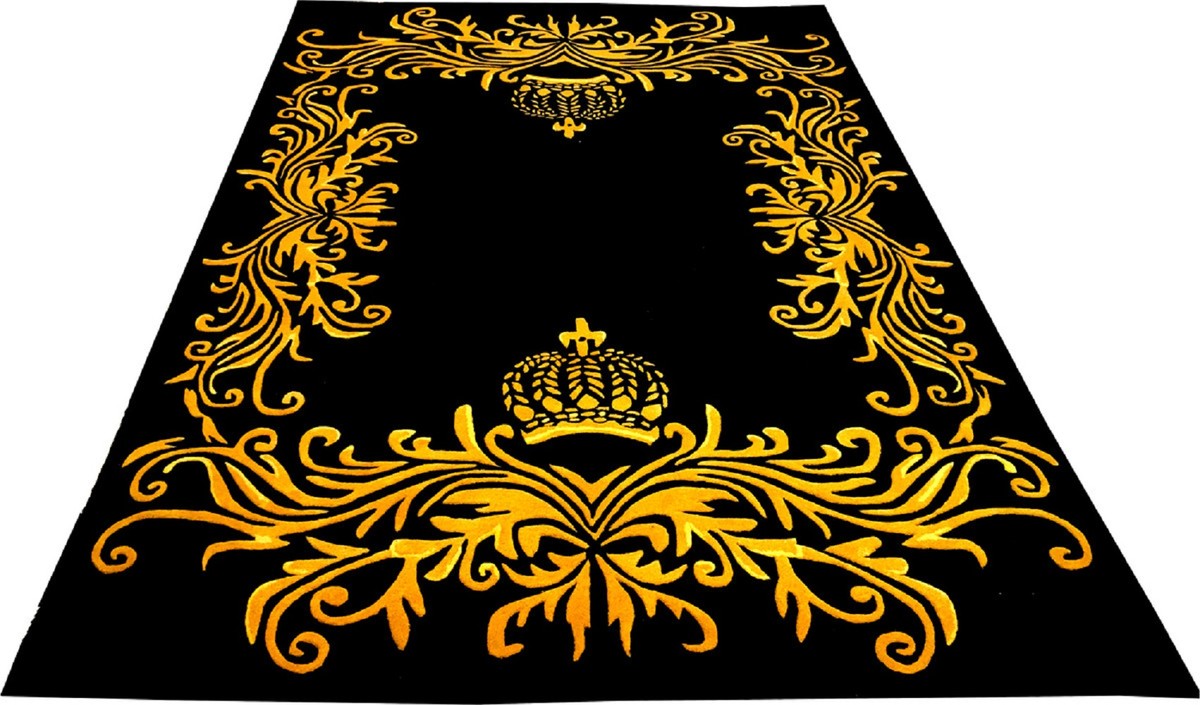
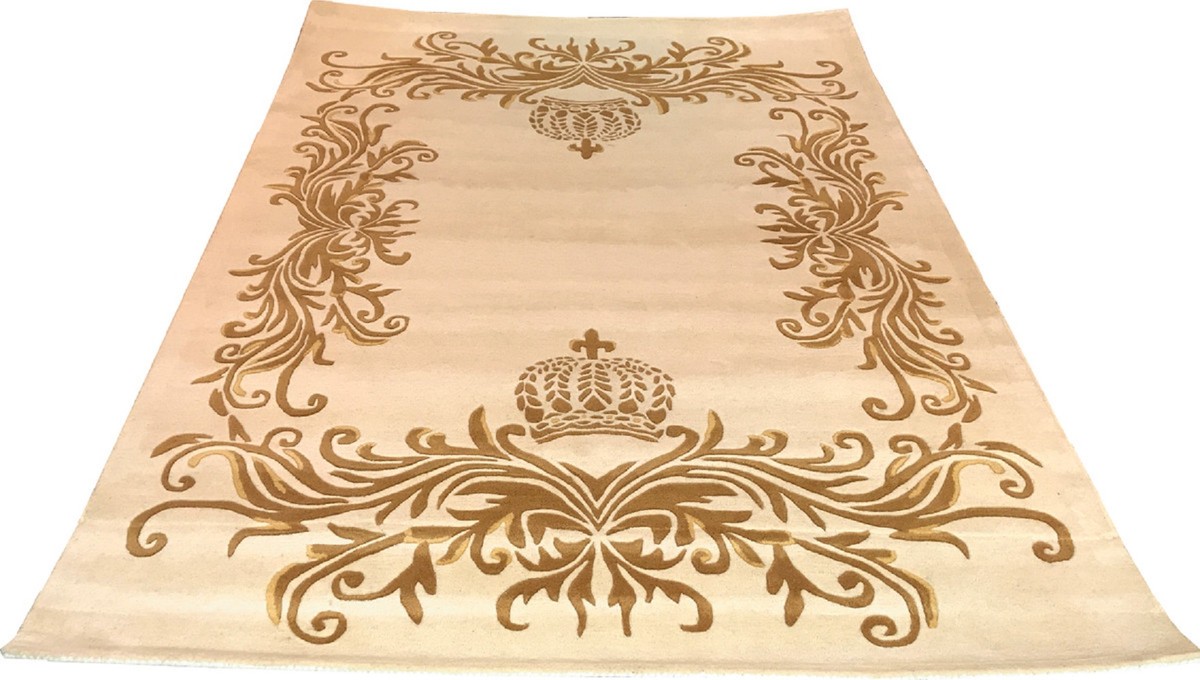
Alongside the classic ornament, there are designs with crowns that underline the courtly character. Vintage versions look slightly faded and combine the baroque pattern with a calmer surface. A tone-on-tone rug with a baroque pattern is more understated than a high-contrast design in black and gold.
The colourway determines how loud the pattern feels. High-contrast designs draw every eye to the floor and need calm furniture. Muted tones let the rug act more as a backdrop against which furniture and lighting take centre stage.
Materials: wool and viscose
Wool is the tried and tested material for baroque rugs. It is hard-wearing, resilient and slow to show dirt. Hand-woven wool rugs have a dense structure and a pleasing weight that keeps them lying flat. They suit living rooms, drawing rooms and heavily used areas in commercial settings.
Viscose has a silky sheen. The ornament shimmers lighter or darker depending on the light, which gives the rug a lively look. Viscose is softer but more sensitive to moisture and pressure marks. It is therefore better suited to quiet rooms such as bedrooms, dressing rooms or lounges.
Choosing the right size
In the living room, the rug should be large enough for at least the front feet of the sofa and armchairs to rest on it. For a seating group, sizes from around 200 x 300 cm are usual. Leave around 30 to 50 cm of bare floor to the walls so that the rug looks framed. Under a dining table, it must extend far enough for the chairs to stay on it even when pulled back.
Round baroque rugs, for example 260 cm in diameter, emphasise a round table or a central spot beneath the chandelier. In the bedroom, the rug usually lies crosswise under the lower two thirds of the bed. Because many models come in several sizes, the format can easily be adapted to the room.
Before buying, measure not only the room but also the furniture group. Mark out the planned size on the floor with masking tape. This shows you whether walkways stay clear and whether doors catch on the edge. The pile height also matters for doors with little clearance above the floor.
Colours and combinations in a room
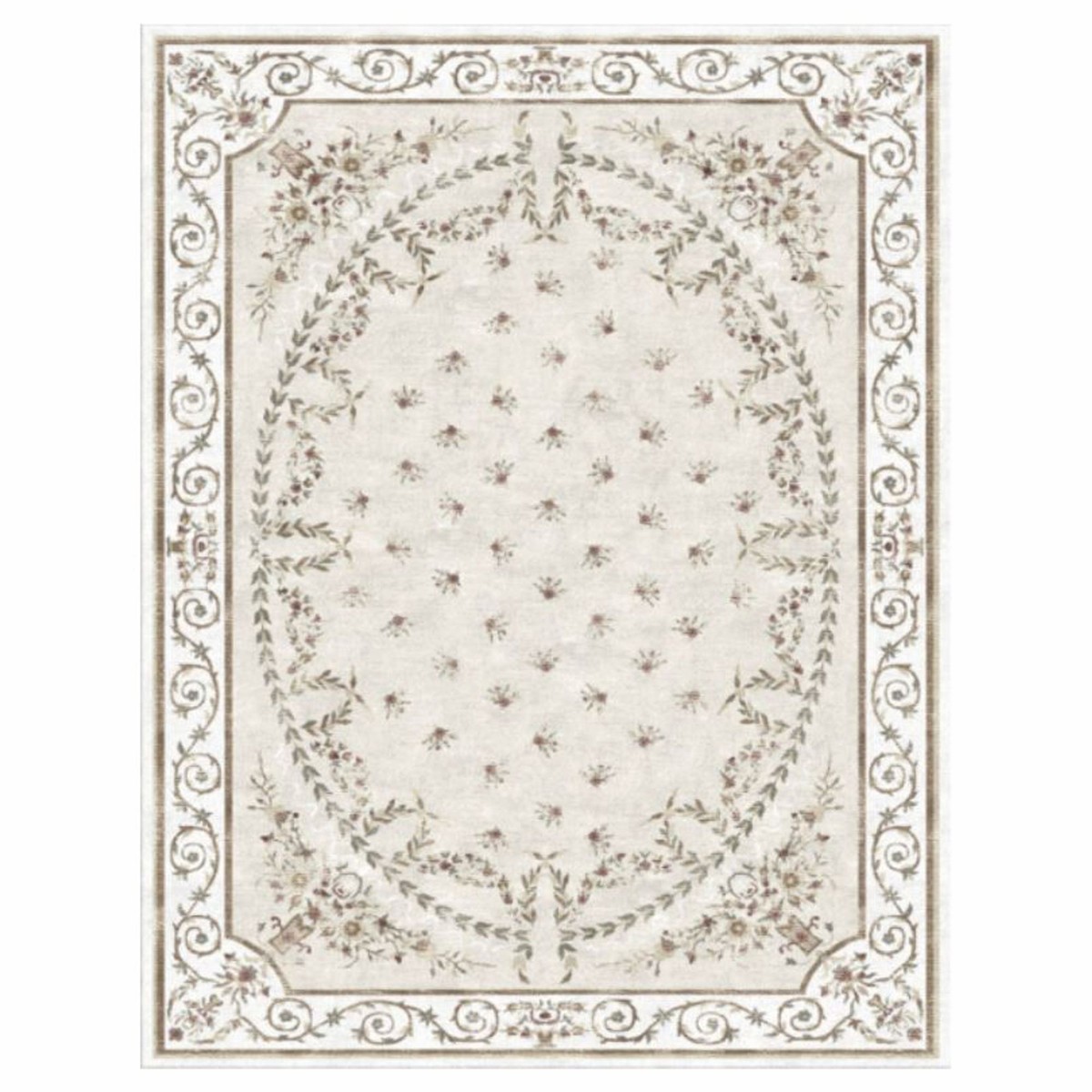
Beige, brown and cream are the calmest shades and suit both gilded and dark furniture. Grey and blue look cooler and go well with silver, white and velvet upholstery in blue or teal. Black with gold or royal blue with gold makes a strong, festive statement. Pink, white and brown create a soft, almost playful mood.
Choose rug and upholstery from one colour family. A patterned rug works better with plain baroque sofas and armchairs than with patterned covers. You will find ideas for complete rooms under baroque living room and baroque dining room.
In the bedroom, the rug can be softer and lighter. Pink, cream or grey create a calm mood in the morning. The baroque bedroom page shows ideas for this. A viscose rug feels particularly pleasant underfoot.
Baroque rugs for hotels, restaurants and commercial interiors
In hotels, a baroque rug contributes a great deal to the acoustics and to the first impression. In the lobby and lounge it muffles footsteps and divides large areas into zones. In suites it links the bed, seating area and desk. One model designed specifically as a hotel rug shows how well the ornament works in commercial settings.
For commercial spaces, wool and dense weaves are recommended because they cope better with heavy foot traffic. Barockgrosshandel puts together rugs to match the furniture and colours of several rooms. Interior designers and retailers thus receive a coordinated selection. The page on baroque hotel furniture offers more ideas for commercial projects.
Planning rug and furniture as one
The rug is often the largest continuous pattern in a room. Plan it early, therefore, not after the furniture. Upholstery, curtains and wall colour can all be derived from its palette. The overview of baroque furniture helps you coordinate furniture and rug.
Pay attention to the lines in the room. A rectangular rug underlines the axis between sofa and fireplace, while a round one softens a rigid floor plan. You will find all sizes and colours in the baroque style rugs category.
Caring for wool and viscose rugs
Vacuum baroque rugs regularly, ideally without a rotating brush and in the direction of the pile. Blot spills immediately with an absorbent cloth without rubbing. With viscose, water is particularly tricky, so quick, dry blotting is the only remedy.
Turn the rug every few months so that sunlight and foot traffic affect it evenly. A non-slip underlay protects both floor and rug. For a thorough clean, a professional rug cleaning service is recommended.
Matching pieces from our range
Frequently asked questions
What makes a rug a baroque rug?
A symmetrical pattern with a medallion, scrolling foliage, acanthus and flowers is typical. A wide border frames the field. Crown motifs and vintage versions with baroque ornament also belong to the style.
Wool or viscose: which material is better?
Wool is hard-wearing, resilient and suited to heavily used rooms. Viscose has a silky sheen and feels soft, but is more sensitive to water and pressure. For living rooms and commercial use, wool is usually the better choice.
What size baroque rug do I need for the living room?
At least the front feet of the sofa and armchairs should rest on the rug. For seating groups, sizes from around 200 x 300 cm are usual. Leave 30 to 50 cm of bare floor towards the walls.
Are there round baroque style rugs?
Yes, the range includes round baroque rugs, for example 260 cm in diameter. They suit round dining tables or the middle of a room beneath a chandelier. Round shapes soften a rigid floor plan.
Does a baroque rug go with modern furniture?
Yes, an ornamental rug adds a deliberate accent beneath simple furniture. Choose a calm colourway such as grey or beige. Repeat one shade from the rug in cushions or curtains.
How do I clean a viscose baroque rug?
Vacuum it carefully without a rotating brush. Blot spills immediately with a dry cloth. For a thorough clean, a professional rug cleaning service is recommended.
Do you also supply baroque rugs to hotels?
Yes, Barockgrosshandel supplies hotels, restaurants, interior designers and retailers as well as private customers. Many models come in several sizes, so they can be adapted to different rooms. Send us your room dimensions.
How much does a baroque rug cost?
Prices in the range are roughly between €3,000 and €7,700. They depend on size, material and method of manufacture. Large hand-woven wool rugs are at the upper end.