Freestanding baths in marble, cast iron and copper, plus clawfoot tubs
A freestanding bath turns a bathroom into a living space. It stands free in the room, is seen from every side and sets the tone for the whole interior. Whether a round marble tub, an Art Nouveau clawfoot tub or a simple roll top bath, here the tub is not a fitting but a piece of furniture.
Barockgrosshandel supplies freestanding bathtubs to hotels, developers, interior designers, retailers and private clients. The range covers natural stone, cast iron, copper and acrylic, from around 2,500 € to almost 20,000 €. You will find every model in our freestanding bathtubs and bathroom furniture.
Shapes: round, oval, slipper and clawfoot tub
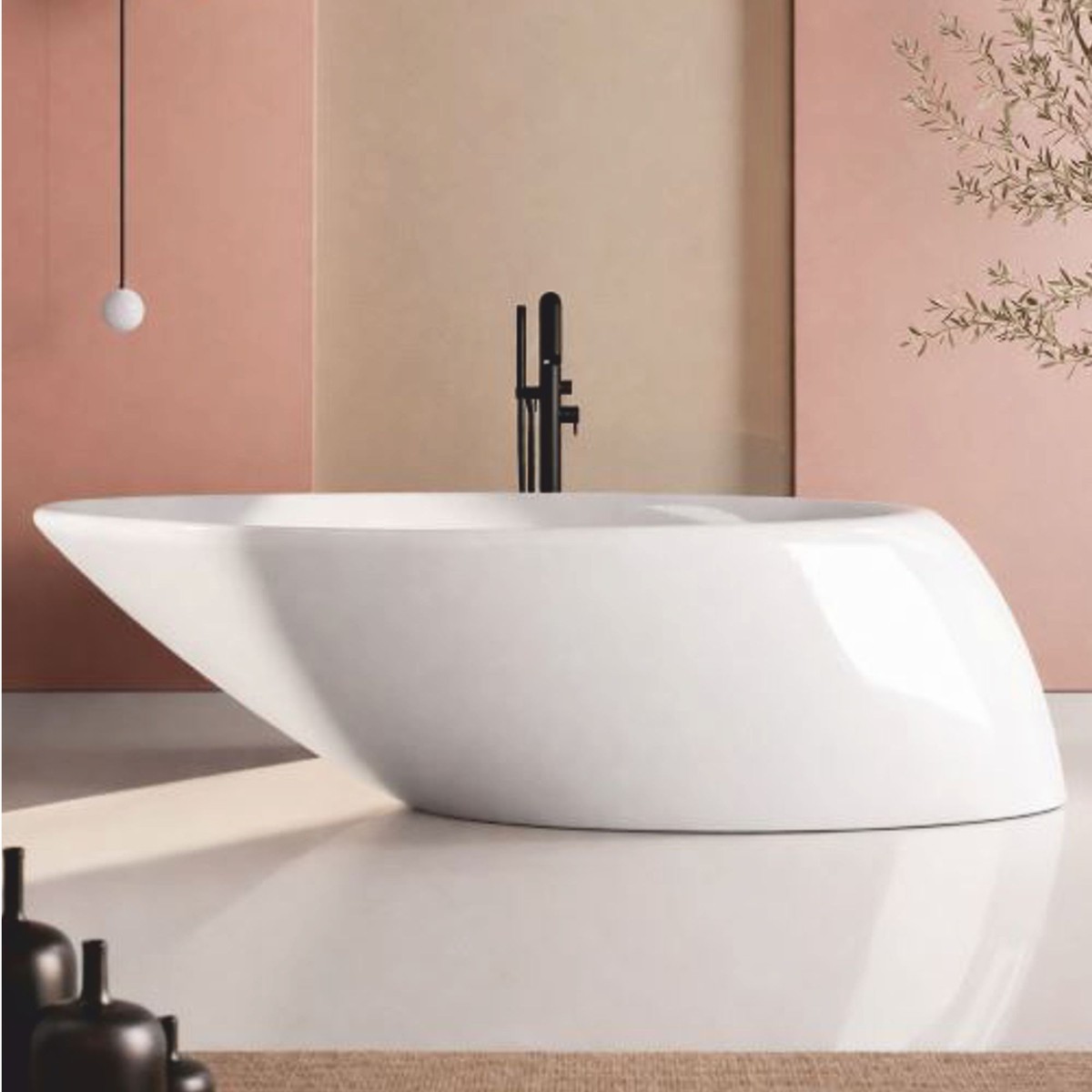
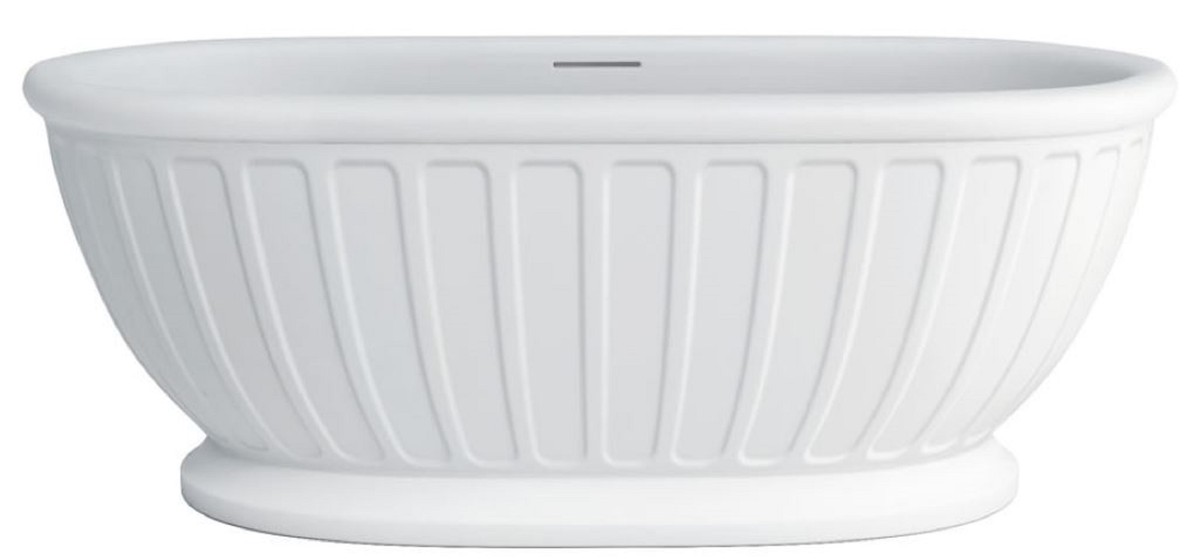
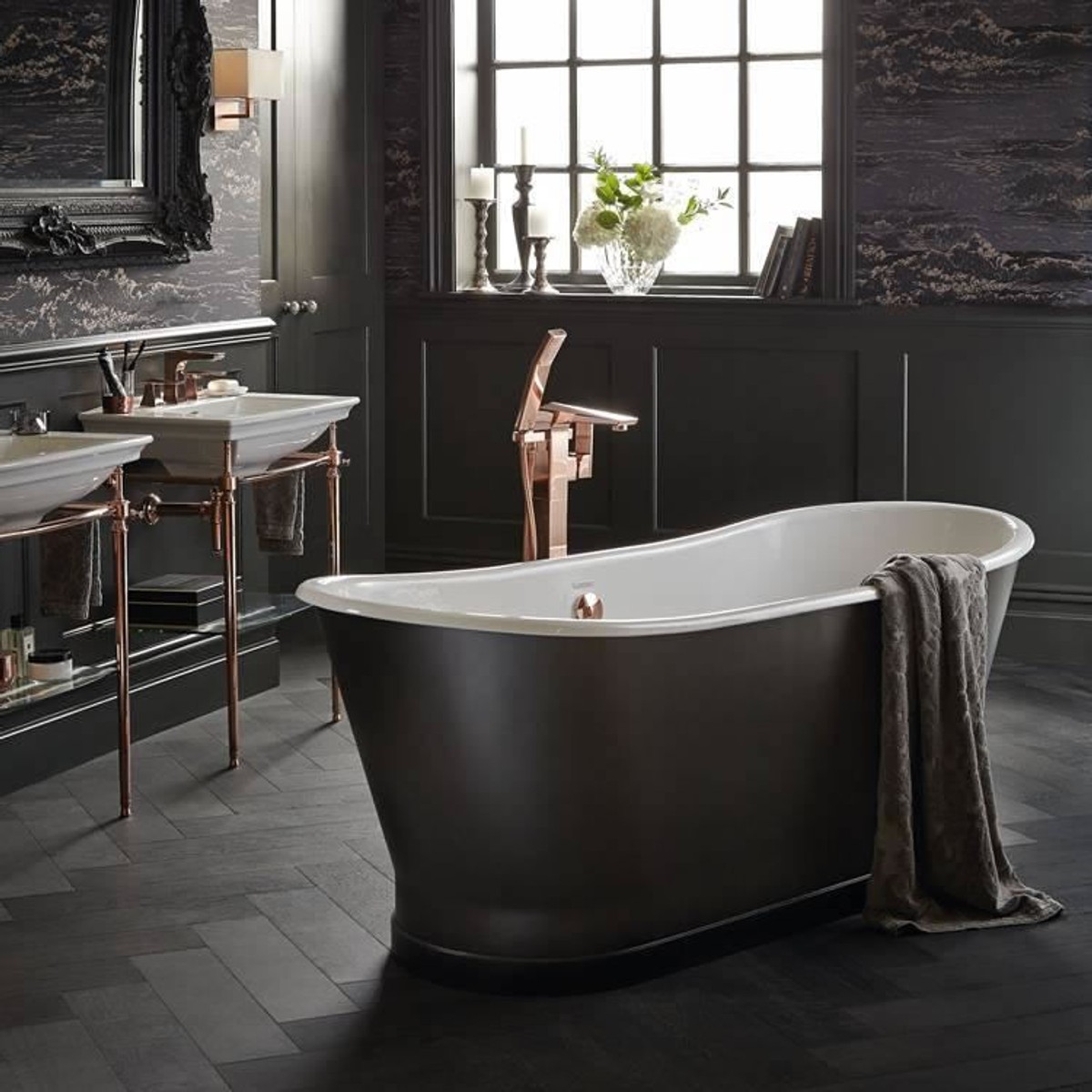
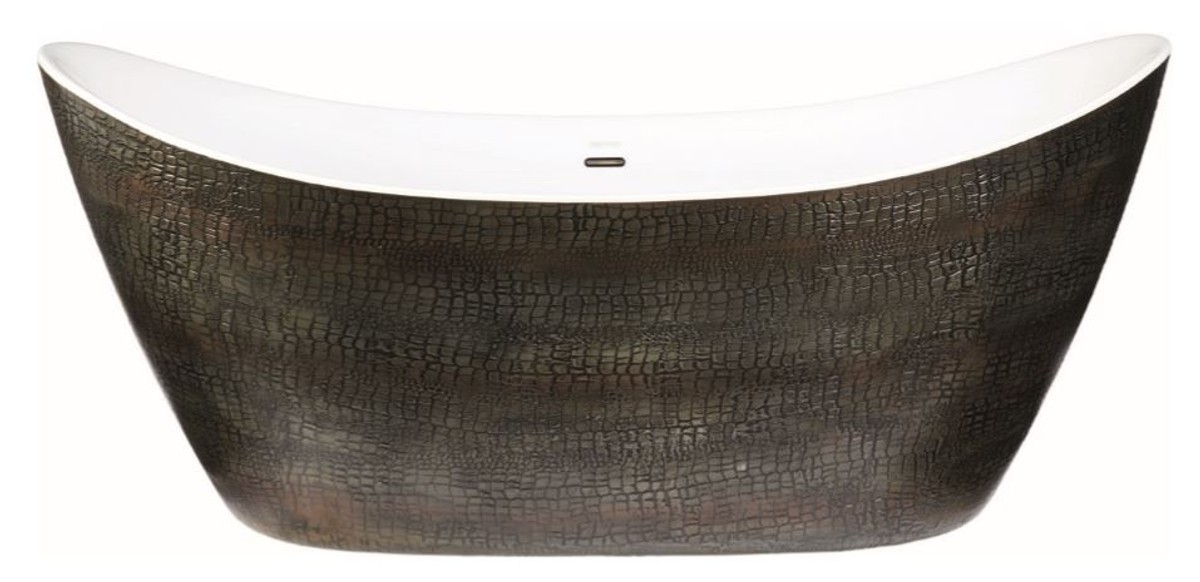
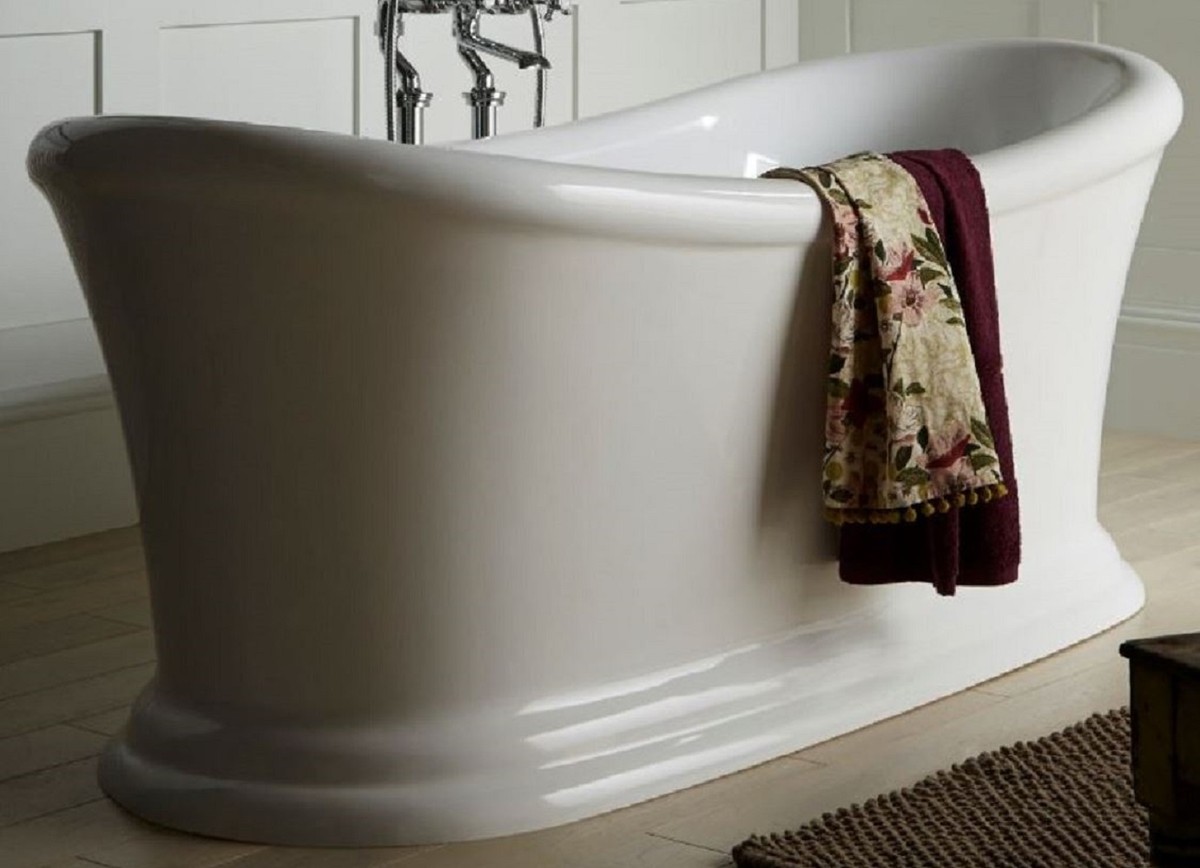
The classic freestanding bath is oval and equally high at both ends. You lie in the centre, with the waste in the middle or at one end. A slipper bath has a raised back to lean against, while a double slipper rises at both ends.
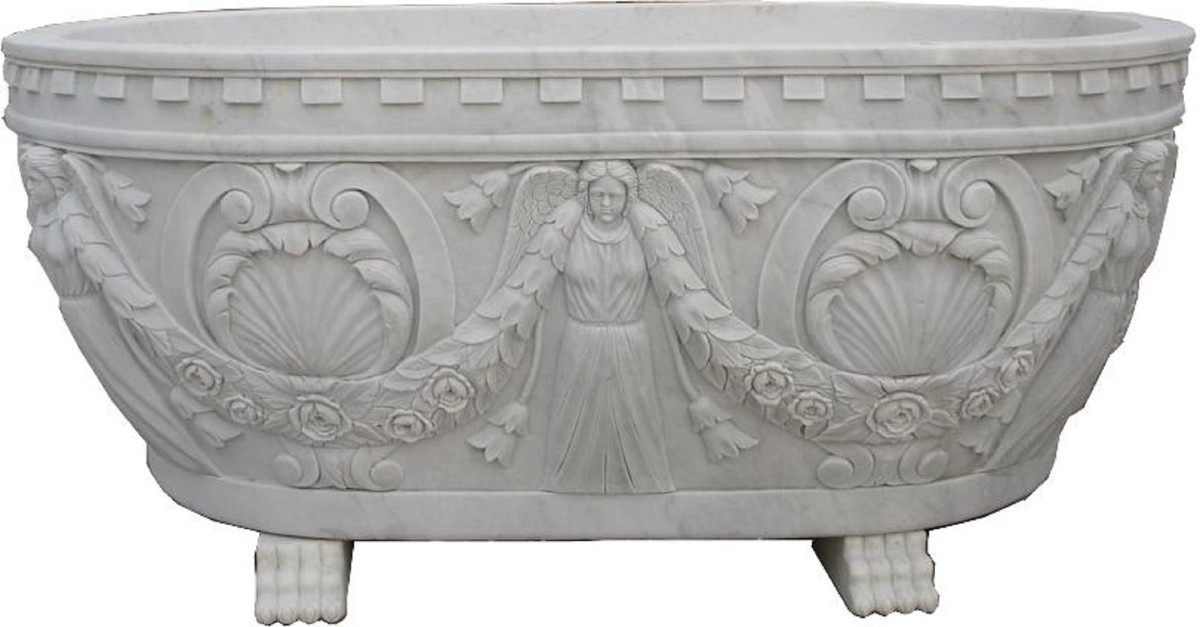
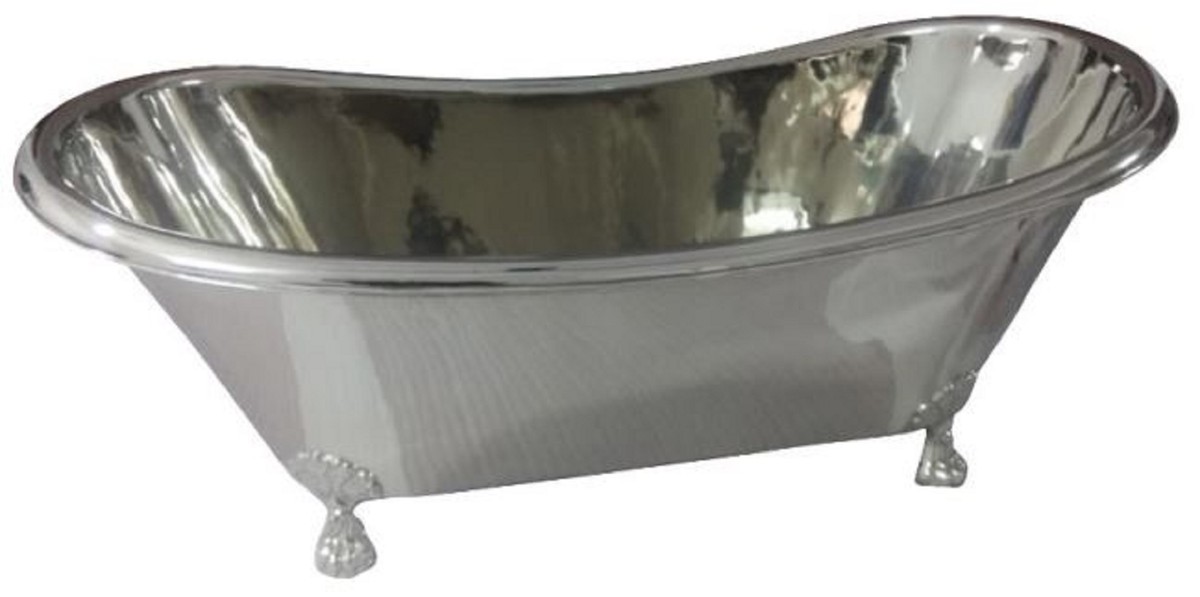
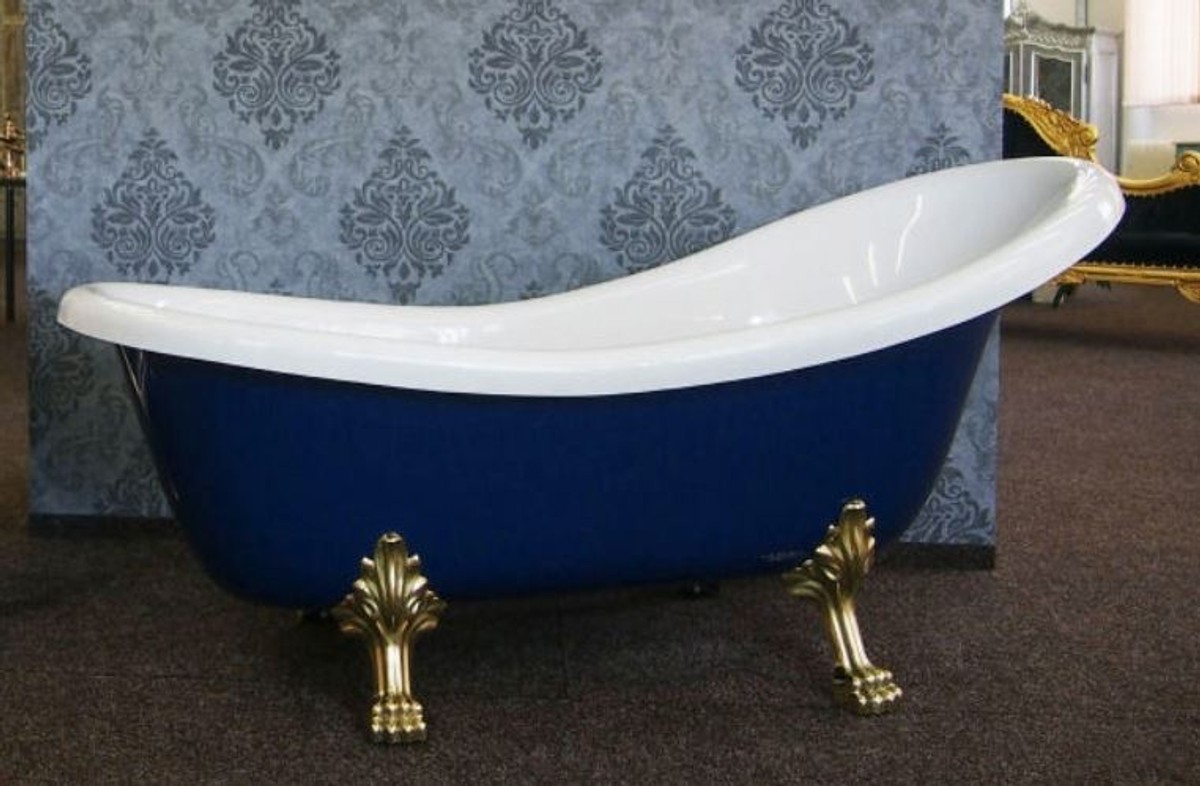
The clawfoot tub is the nostalgic version. It stands on four cast feet, often shaped as lion's paws, and shows the rolled rim of the 19th century. That rim gives the roll top bath its name. Such a bathtub suits period homes just as well as hotel suites.
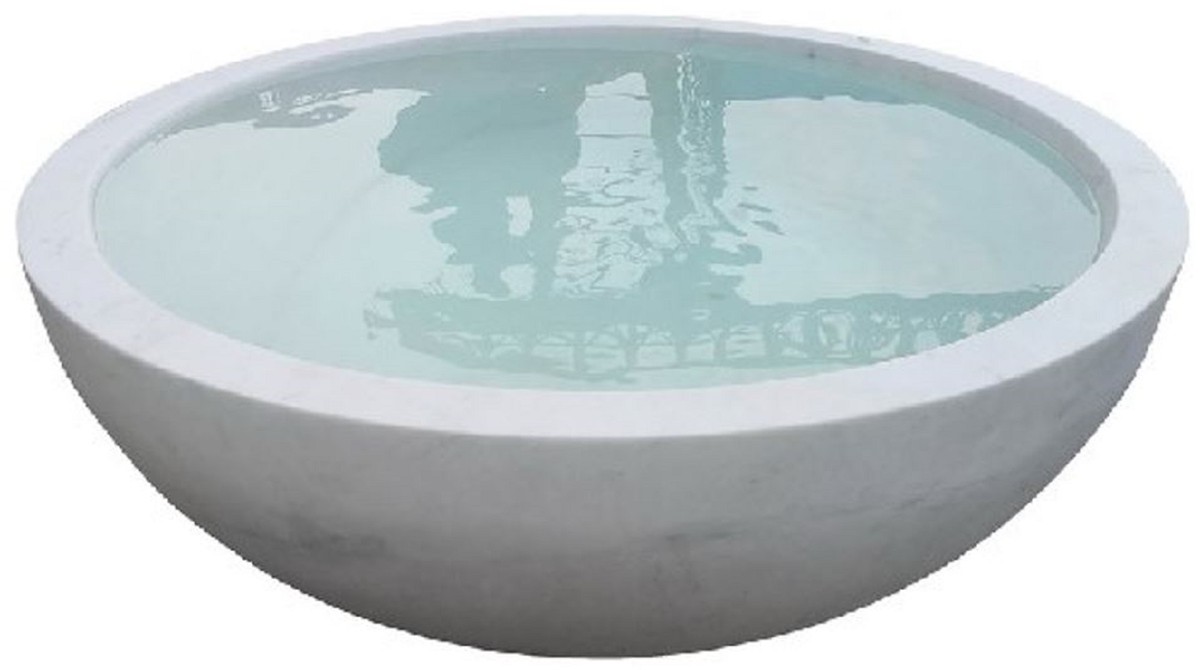
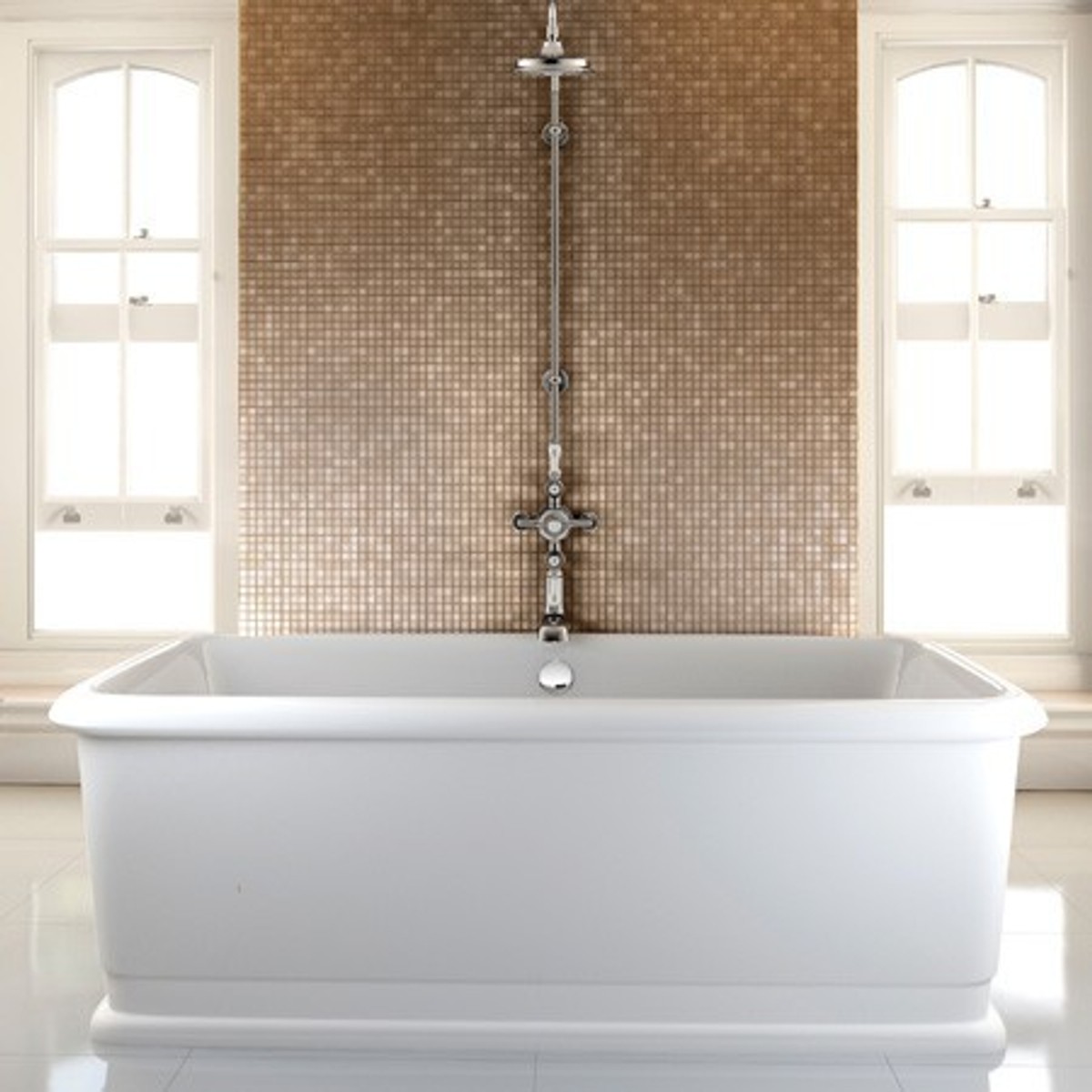
Round marble tubs are the most sculptural form. At 150 cm across they read almost like a pool and need a generous room. Rectangular models with crisp edges sit well in modern floor plans.
Materials: marble, cast iron, copper, acrylic
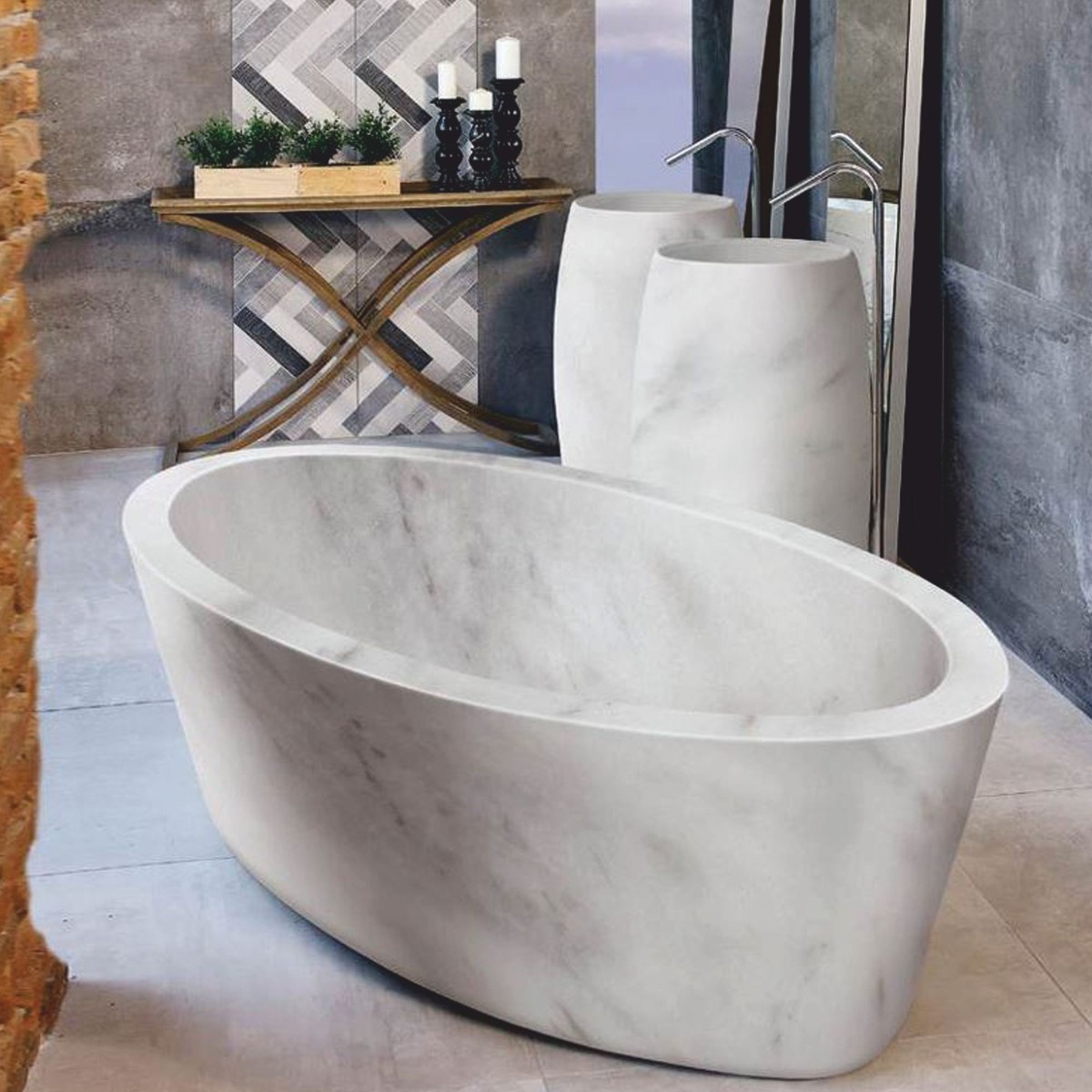
Marble is the most refined material. Each tub is carved from a block and shows its own veining. Stone holds heat for a long time, feels cool and smooth and hardly ages. It is, however, very heavy and sensitive to acids.
Cast iron is the classic material for the clawfoot bathtub. Enamelled inside and painted outside, for example in carbon or white, it retains heat superbly. Copper develops a living surface and can be chromed or silvered inside. Acrylic is light, warm to the touch and can be shaped into almost any form, including Art Nouveau curves or a crocodile texture.
Weight and floor loading
Weight matters before anything else. An empty acrylic tub usually weighs under 60 kg, a cast iron bath well over 100 kg, and a marble bath several hundred kilograms depending on size. Filled, add 200 to 400 litres of water plus the bather.
The load sits on a small area, and on a clawfoot tub on just four points. For stone and cast iron baths, have a structural engineer check the floor, especially in older buildings with timber joists and on upper floors. Load spreading plates under the tiles help with cast feet.
Plan the delivery route as well: stairs, door widths and lift must take the tub. We deliver to the kerbside, and a local installer handles carrying in and fitting.
Plumbing and taps
Because the tub stands free, supply and waste run through the floor. The waste needs enough fall, which in existing bathrooms often means a raised floor or a plinth. Fix the waste position before the screed goes down.
There are three options for the tap. A freestanding floor mounted bath filler stands beside the tub and is fed from below. A wall mounted mixer works if the bath sits close to the wall. Classic clawfoot tubs often take a deck mounted mixer on the rim, provided tap holes are drilled.
Space and bathroom planning
A freestanding bath needs breathing room. Add at least 15 to 20 cm of clearance from walls all round so it looks free and can be cleaned. Leave 70 to 90 cm clear on the side where you step in.
Typical lengths run from 170 to 205 cm, widths from 70 to 90 cm. For a bath placed in the centre of the room, plan on a floor area of about 10 square metres or more. In smaller rooms, set the tub with one long side near the wall or beneath the window.
Think about light and warmth too. Underfloor heating makes stepping out pleasant, and a dimmable wall light or a chandelier above the tub presents it like a sculpture. A window beside the bath is ideal once privacy is solved.
Style and bathroom design
The tub sets the tone. A marble bath asks for calm surfaces such as a stone floor and plain walls. An Art Nouveau bath in white, sapphire blue and gold can carry ornament, wall lights and a large mirror. Our page on the baroque bathroom shows how a complete period bathroom grows from there.
Small furniture and accessories complete the picture. A glass display cabinet for towels and flacons replaces a wall unit, and brass or bronze candle holders bring warm light to the rim of the bath. Large planters with ferns or palms add green to bright bathrooms.
Hotels like to place freestanding baths in suites with open bathrooms or directly in the bedroom. Easy care surfaces and a solid floor standing tap matter there. For more interior ideas, see our baroque and luxury furniture.
Matching pieces from our range

Frequently asked questions
How heavy is a freestanding marble bath?
Depending on size, an empty marble bath weighs several hundred kilograms. Filled, add 200 to 400 litres of water plus the bather. Have the floor checked by a structural engineer beforehand.
Which material keeps bath water warm the longest?
Cast iron and natural stone retain heat best but take a little time to warm up. Copper conducts heat quickly and holds it well. Acrylic feels warm at once and insulates reasonably.
Which tap suits a freestanding bath?
The most common choice is a freestanding floor mounted bath filler fed from below. If the bath sits near a wall, a wall mounted mixer is possible. Some clawfoot tubs have tap holes for a deck mounted mixer.
How much space does a freestanding bathtub need?
Add at least 15 to 20 cm of clearance all round and 70 to 90 cm of free space on the entry side. For a centrally placed tub, a bathroom of about 10 square metres or more makes sense.
Can a freestanding bath go into an older building?
Yes, if floor loading and drainage allow. Timber joist floors often need reinforcement for heavy stone or cast iron tubs. The floor waste can often be solved with a plinth.
What is the difference between a slipper bath and a clawfoot tub?
Slipper describes the shape with a raised back. A clawfoot tub stands on four visible feet instead of a base. The two can be combined, as in Art Nouveau baths with lion's paw feet.
How do I care for a marble or copper bath?
Clean marble with pH neutral products, never with vinegar or limescale remover, and seal it regularly. Dry copper after each bath. More tubs and accessories are in our bathtubs category.